Make psychedelic care last beyond the session.
Psio gives clinics and facilitators a structured program for the weeks after each session: a brain measurement around the session, a short daily practice clients do at home, and progress you can both see.
More support during the weeks that matter.
Longer continuity of care, and a new program beyond dosing day.
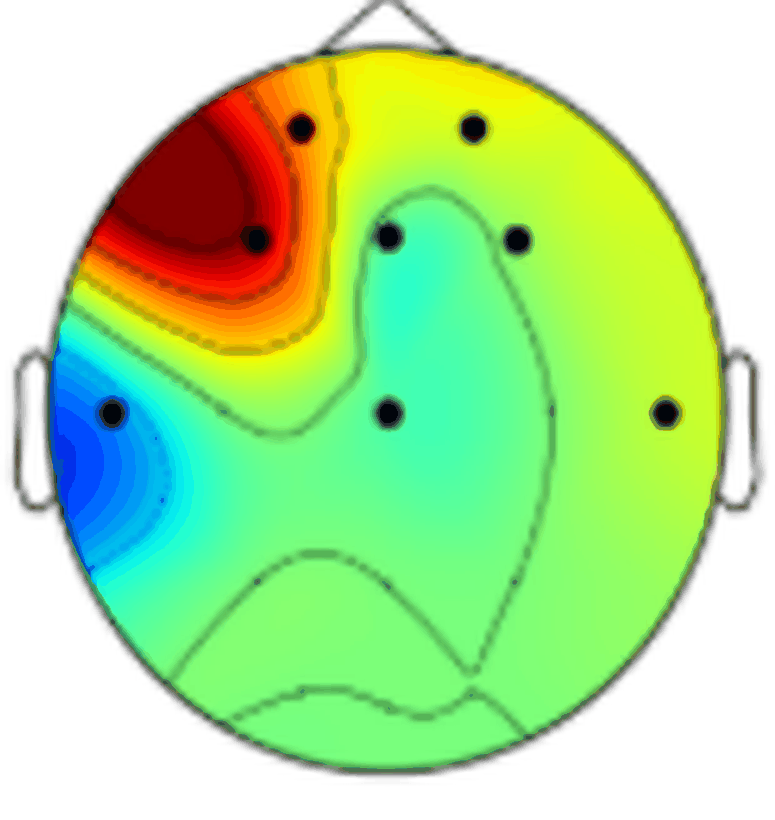
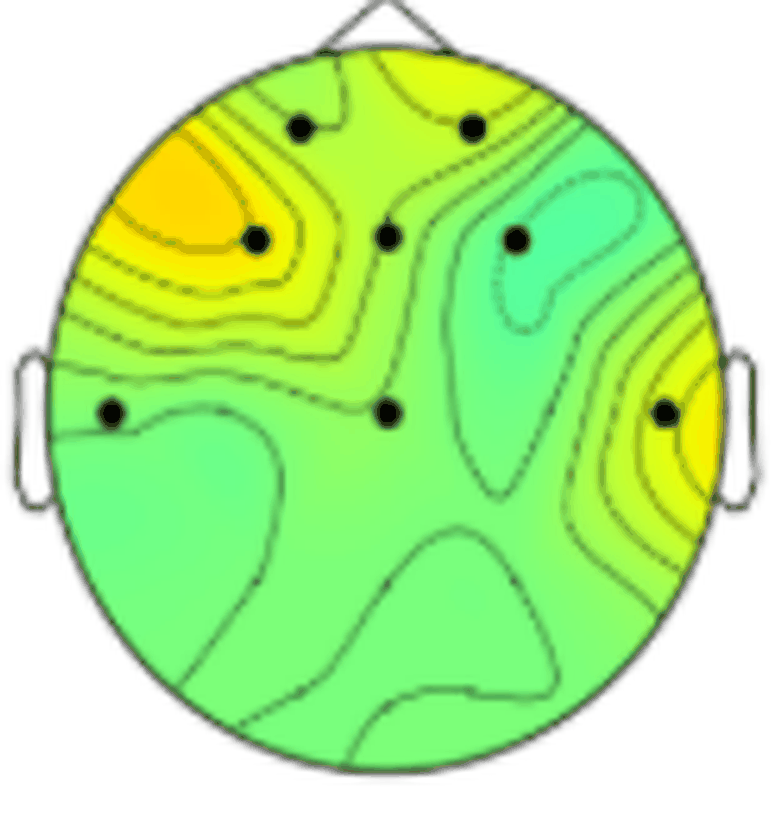
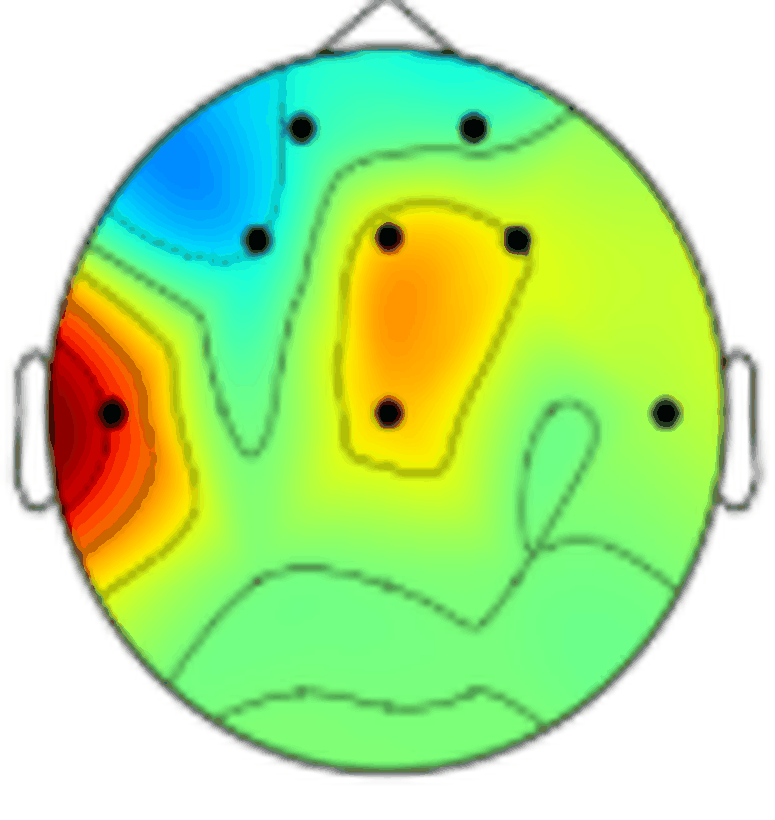
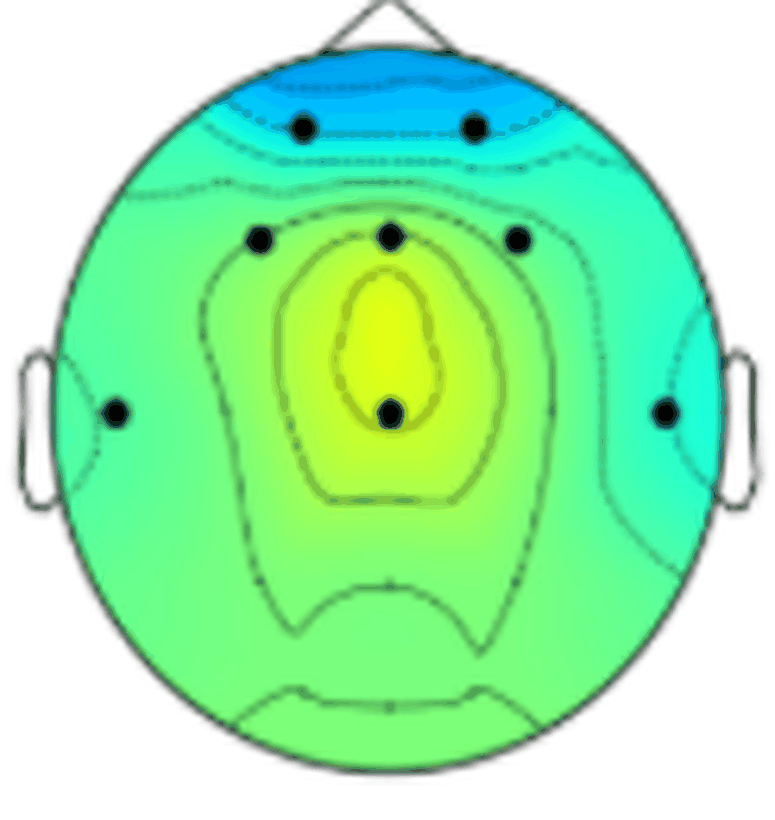
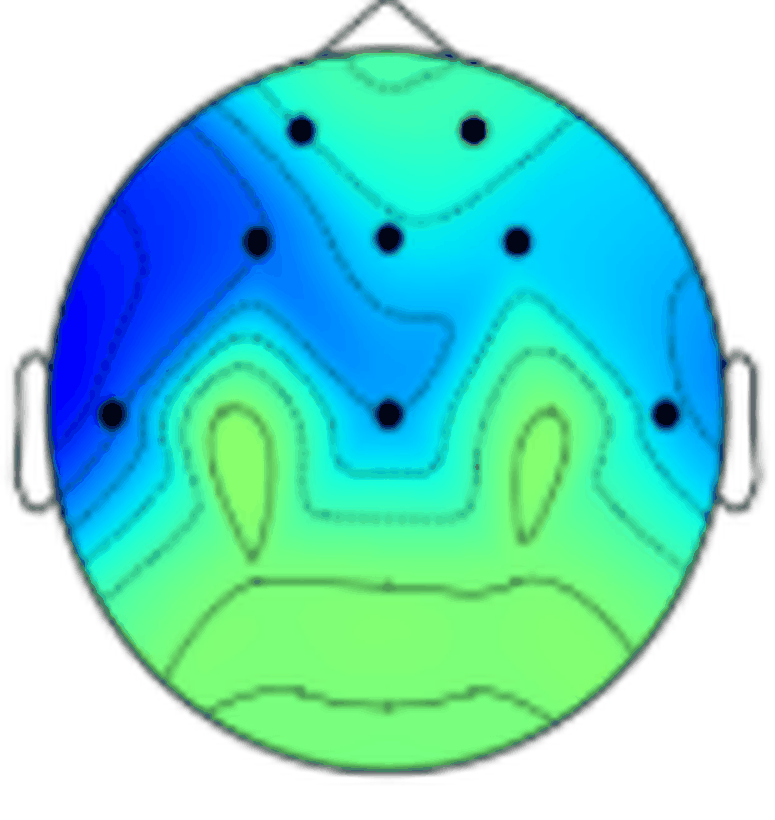
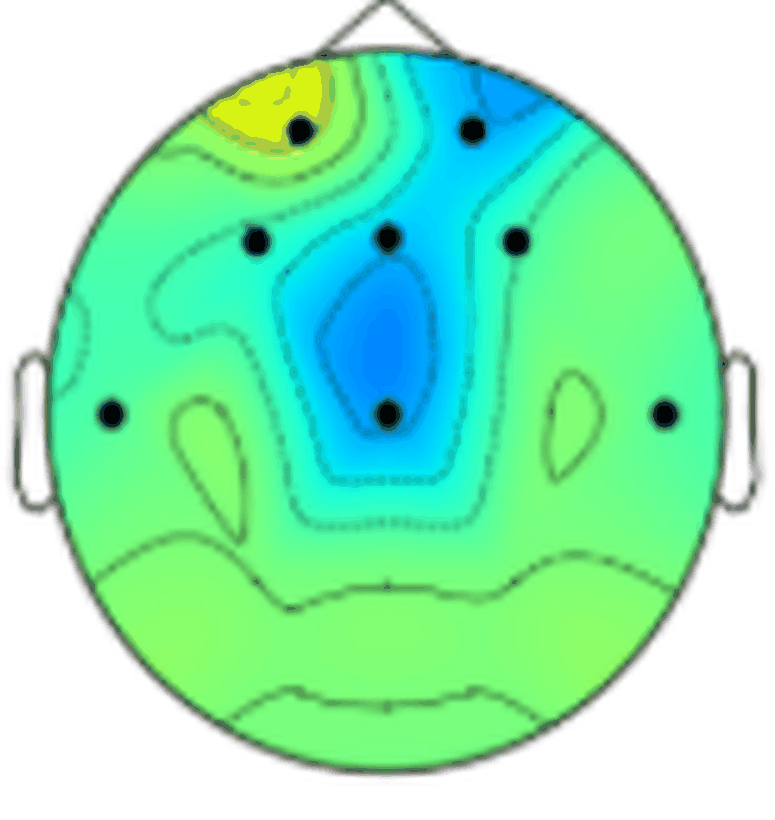
Real EEG maps and questionnaire scores from one Psio client, at baseline and one month later, shown de-identified. On the maps, green is typical for their age; warmer means more activity than typical, cooler means less.
Devin Effinger, PhD · Founder of Psio · TEDxBoulder
Built by a neuroscientist who studies psychedelics.
Devin Effinger, PhD, spent his research career studying how psychedelics change the brain. Psio grew out of one idea from that work: the session opens a door, and what happens in the weeks afterward decides whether the change lasts. Psio is the program he built for those weeks.
- Research fellowship at the National Institute on Drug Abuse
- PhD in Neuropharmacology, UNC Chapel Hill, studying how psilocin affects the brain's stress circuitry
- Postdoctoral research in psychiatry at CU Anschutz on psilocybin, LSD, and reward circuitry
- Contributed to the University of Colorado's first psilocybin clinical trial
- Extensive background in qEEG and personalized neurofeedback
The session opens the door. The weeks after decide whether the change lasts.
Most psychedelic care is concentrated on dosing day. The weeks that follow get far less structure, even though that is when change is easiest to keep, and when it is easiest to lose.
The change can fade
Every client responds differently
- 1Shao L-X, et al. Psilocybin induces rapid and persistent growth of dendritic spines in frontal cortex in vivo. Neuron, 2021. Summary from Yale University
- 2Nardou R, et al. Psychedelics reopen the social reward learning critical period. Nature, 2023. Summary from Johns Hopkins Medicine
Four steps, built around the session.
Your team keeps running the session the way it does today. Psio adds a measured, personalized psychedelic neurofeedback program for the weeks after it.
Measure
A comfortable headband records brain activity before, during, and after the session, giving each client a personal starting point.
Personalize
Psio turns those recordings into a training program built for that client and that session.
Train at Home
Clients do a short guided practice most days with the headband and the Psio app, during the weeks when change is easiest to keep.
Track Change
Your team and your client see progress over time, and use it to guide what comes next in their care.
Psio uses EEG, a well-established way to measure brain activity from the scalp, and neurofeedback, a training method where the app responds in real time as the brain moves toward a target state. Our approach personalizes that training to each client and each session. It is built to support the durability of psychedelic care.
What Psio adds to your practice.
Longer continuity of care for your clients, and a new program you can offer beyond dosing day, without building a lab or hiring a technician.
Clients get structured daily support in the weeks after a session, without adding appointments to your calendar.
No qEEG lab, no dedicated technician, no years of setup. Psio provides the headband pathway, the software, personalized protocols, and Psio Academy training, so your facilitators deliver it inside your current workflow.
Before-and-after brain measurements and at-home practice data give your team and your client something real to talk about.
A short episode of care becomes a structured, multi-month program your clients enroll in, rather than a single appointment they book.
Preparation and integration become part of a program you can offer and bill for around every dosing day.
Clients watch their own brain change across the journey. It is a tangible reason to choose your practice, and to stay with it.
Does this create more work for my staff?
Very little. Psio is built around the session, not in the way of it.
- Your team runs the session the way it does today and places the headband.
- Psio handles the recordings, builds each client's program, and guides the daily practice through the app.
- Your team sees every client's progress in one dashboard and checks in when it suits them.
- Psio Academy trains your facilitators, so there is no one new to hire.
From application to your first client.
Tell us about your practice. We set up a short call to see whether it is a fit.
Psio Academy trains your facilitators, including how to record on session day. Your clinic gets a demonstration headband.
Psio supplies a headband for each enrolled client, theirs to keep, along with the Psio app.
You get a named Psio contact, replies within one business day, and regular review calls.
What it takes from you: a facilitator to place the headband at each session visit, and a few minutes to check the dashboard when it suits you.
Brain data is personal. We treat it that way.
- Recordings are stored securely, and identifying details like name and date of birth are kept separate from the brain data used for analysis.
- Results are shared with the client and their own care team.
- Clients can ask for a copy of their data, or for it to be deleted.
- Contributing de-identified data to research is optional, and off unless the client chooses to opt in.
Apply now for early access, before Psio opens to the public.
A calm practice your clients do at home.
The weeks after a session are when change takes hold. Psio guides clients through a short daily neurofeedback practice with a comfortable EEG headband, and shows their progress as it builds.
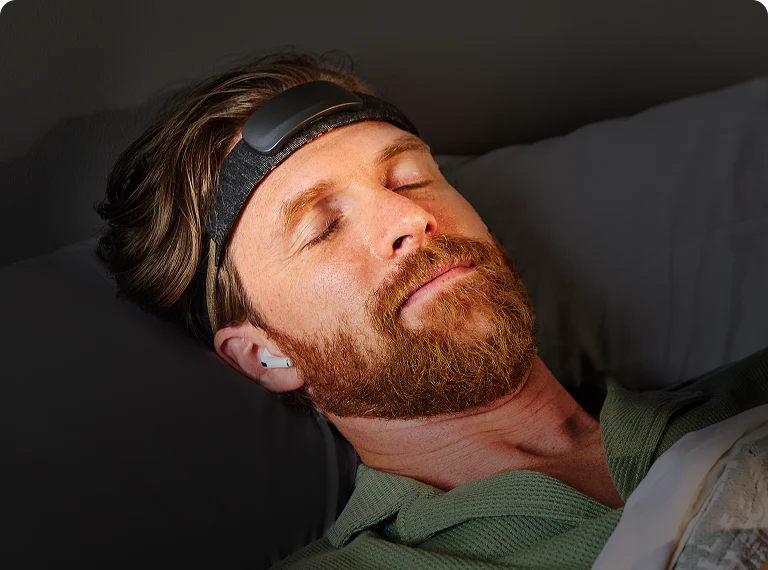
- A short guided session, most days
- Calm and focus build over time
- Gentle reminders, forgiving streaks
- Progress shared with your team
Psio supports care alongside the client's provider. It is not a medical device and does not replace the guidance of a treatment team.
Looking for care yourself?
Psychedelic work can be profound, but the change is easy to lose. Psio helps you see what shifted and hold onto it, with a simple practice you do between sessions and the support of your care team.
The clarity and relief a session opens can fade within weeks. Psio is built to help you hold onto it and carry it forward into daily life.
Simple brain maps show how you have changed over time, so you can see your progress, not just feel it.
Instead of waiting and hoping, a short daily practice puts the work in your own hands and helps shape how you feel.
About twelve gentle minutes at home with a comfortable headband. Forgiving streaks and no pressure make it easy to keep up.
Psio is delivered through your own provider and guided by your care team, so real support is always part of the process.
Psio care is available now. Share your details and our team will reach out to get you started.
The people behind Psio.
Psio is built and guided by neuroscientists and clinicians who have spent their careers at the intersection of brain science and psychedelic care.
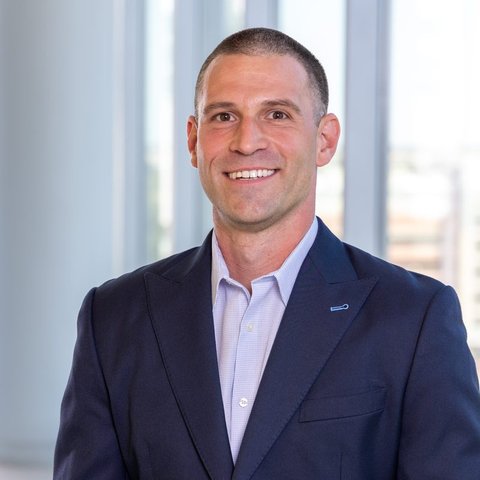
Devin Effinger, PhD
Neuroscientist with published research on psychedelic neurobiology. After a research fellowship at the National Institute on Drug Abuse, he earned his PhD in Neuropharmacology at UNC Chapel Hill, studying how psilocin affects the brain's stress circuitry. During his postdoctoral research in psychiatry at CU Anschutz, he studied how psilocybin and LSD affect reward circuitry and contributed to the University of Colorado's first psilocybin clinical trial. He also brings an extensive background in qEEG and personalized neurofeedback, keeping your program grounded in brain science.
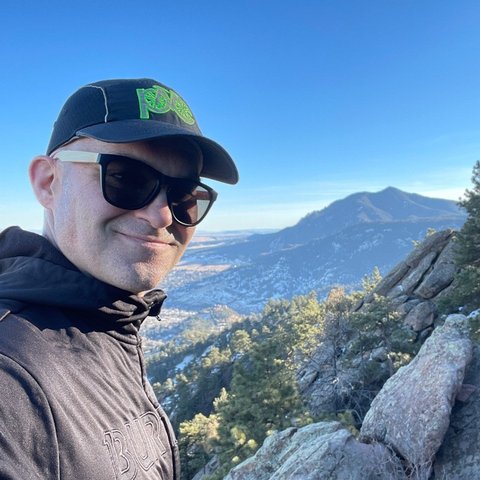
James Blackwell
Product and UX leader with experience building healthcare and SaaS platforms, including digital health innovation initiatives at Philips Research. At Psio he is rebuilding the entire platform, from the app you use between sessions to the tools your care team relies on, shaping every step from your first sign-in to tracking your progress so it feels calm, simple, and easy to fit into everyday life. His focus is technology that quietly supports your care without ever getting in the way of it.

Anna Desmarais, RN, (NP)
Registered nurse, board-certified holistic nurse coach, and licensed psilocybin facilitator in Colorado. She served as an emergency room nurse throughout the pandemic and now guides clients through preparation, facilitation, and integration, with a focus on nervous system regulation and whole-person care. At Psio she shapes the client experience and leads facilitator training, ethical standards, and continuing education, so the people guiding your care are well prepared to support you at every stage.
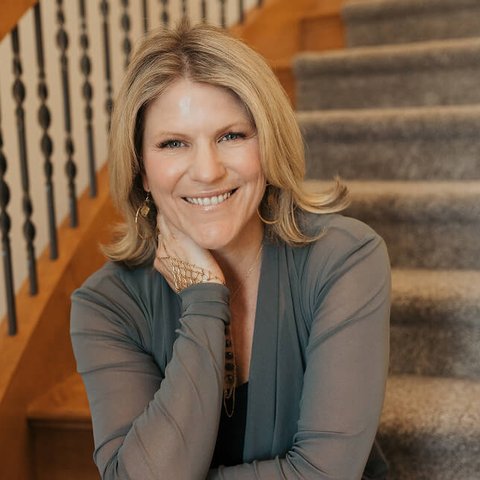
Chantelle Thomas, PhD
Clinical psychologist and Executive Clinical Director of The Manor, a residential treatment center in Wisconsin. She served as a therapist, consultant, and educator on the MAPS-sponsored (now Lykos) Phase 3 trials of MDMA-assisted therapy for PTSD, and trains and supervises clinicians in psychedelic-assisted therapy through the University of Wisconsin. She is certified in MDMA- and ketamine-assisted therapy and is a certified biofeedback practitioner, bringing deep experience in both psychedelic care and body-based healing.
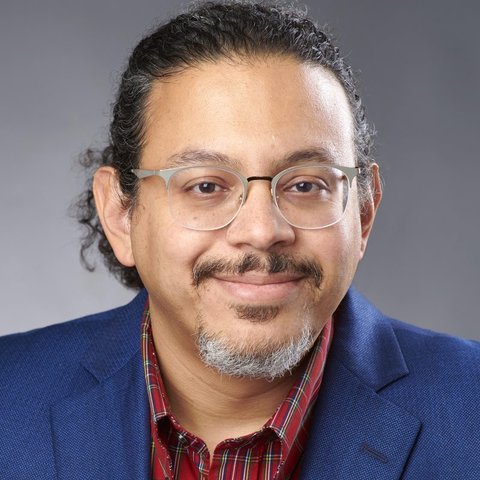
Mohamed Sherif, MD, PhD
Psychiatrist and computational neuroscientist who directs TMS research at McLean Hospital and is a faculty member at Harvard. His lab uses biophysical models of cortical circuits to interpret EEG and MEG, and through a VA career-development award he studies EEG biomarkers of ketamine's antidepressant effects, alongside collaborative analysis of how ketamine and psilocybin change brain function. His work sits where brain measurement meets treatment, the same ground Psio is built on.
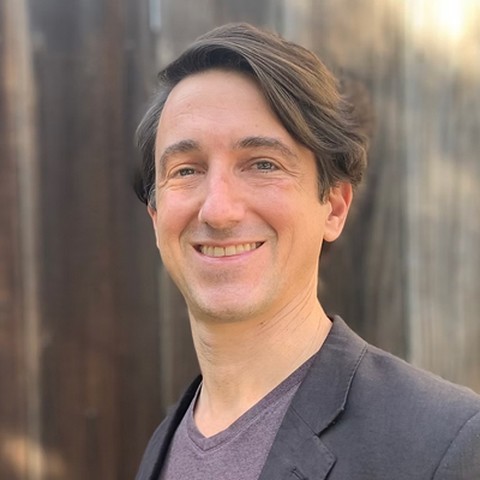
Graham Pechenik, JD
Founding partner of Calyx Law and a patent attorney focused on the psychedelics field. He studied biochemistry and cognitive science with a neuroscience specialization at UC San Diego, earned his JD at NYU, and spent over a decade in patent litigation at Quinn Emanuel and Kaye Scholer. He serves on the board of the Psychedelic Bar Association, has been named among the 100 most influential people in psychedelics, and advises Psio on legal and intellectual property matters.
Psychedelic neurofeedback, explained.
Common questions from clients, clinics, and facilitators.
What is psychedelic neurofeedback?
Psychedelic neurofeedback pairs a psychedelic session with brain training before and after it. Psio uses a comfortable EEG headband to measure brain activity around each psilocybin or ketamine session, then turns those measurements into short neurofeedback sessions, where the app responds in real time as the brain moves toward a calmer, more balanced target state. The goal is to help people hold onto the changes a session opens up.
Why do the benefits of a psychedelic session fade?
Psychedelics appear to open a temporary window of heightened neuroplasticity, when the brain is especially able to change. Without structured support during that window, many people drift back toward old patterns. Psio is built to give the weeks after a session more structure, with a short daily practice and progress you can see.
Does Psio work with ketamine as well as psilocybin?
Yes. Psio is substance-agnostic and is designed to support ketamine-assisted care as well as psilocybin sessions. Ketamine's effects tend to be shorter-lived, which makes structured support in the days and weeks after each session especially valuable.
What does a client do between sessions?
About twelve minutes a day at home with a comfortable headband and the Psio app. Clients follow a guided practice built from their own brain data, with gentle reminders and progress they can see over time, and their care team can follow along.
Does Psio replace a facilitator or therapist?
No. Psio supports care alongside a client's provider. It is not a medical device and does not replace the guidance of a treatment team. Facilitators stay at the center of care, and Psio gives them a structured way to support clients between sessions.
How can a clinic or facilitator offer Psio?
Clinics and facilitators can apply for early access. Psio provides the headband pathway, the software, personalized protocols, and Psio Academy training, so there is no qEEG lab to build and no technician to hire.
Do I need EEG experience to offer Psio?
No. Psio Academy trains your facilitators, including how to place the headband and record on session day. Psio handles the analysis and builds each client's program, so there is no qEEG lab to run and no technician to hire.
Which headsets work with Psio?
Psio runs today on comfortable, commercial EEG headbands such as the Muse S Athena. Psio is hardware-agnostic, and for early-access practices Psio supplies a headband for each enrolled client.
Is Psio a medical device?
No. Psio provides neurofeedback training and educational brain-performance services. It is not a medical device, and it does not diagnose, treat, or cure any condition. It supports care alongside a client's own provider.
How is brain data stored, and who can see it?
Recordings are stored securely, and identifying details like name and date of birth are kept separate from the brain data used for analysis. Results are shared with the client and their own care team. Clients can ask for a copy of their data, or for it to be deleted, and contributing de-identified data to research is optional.
How can I start care as an individual?
Psio care is available now. Share your details through the form on this page and our team will reach out to get you started.

Bring Psio to
your practice.
Clinics and facilitators can apply now for early access, before Psio opens to the public. Early-access practices are the first to offer Psio to their clients. Add your email and our team will reach out to see whether your practice is a fit.
For clinics and facilitators. We will only reach out about early access.
Looking for care yourself?
Psio care is available now. Share your details and our team will reach out to get you started.
We will only use your details to reach out about getting started.